EGYPES 2026: From Energy Security to Hydrogen Delivery
EGYPES 2026: From Energy Security to Hydrogen Delivery
At EGYPES 2026 in Cairo, energy leaders gathered at a pivotal moment for the region’s energy future, as both the Energy Connects Studio interviews and the high-level Strategic Conference session “Hydrogen: Moving from Intent to Action” made one thing clear: it is time for implementation. Among the prominent voices shaping this debate was Frank Wouters, Chairman of the MENA Hydrogen Alliance and director of MED-GEM Network, whose interventions helped position the current moment not only as a response to geopolitical uncertainty, but also as a strategic opportunity to accelerate a more resilient, diversified and future-oriented energy system.
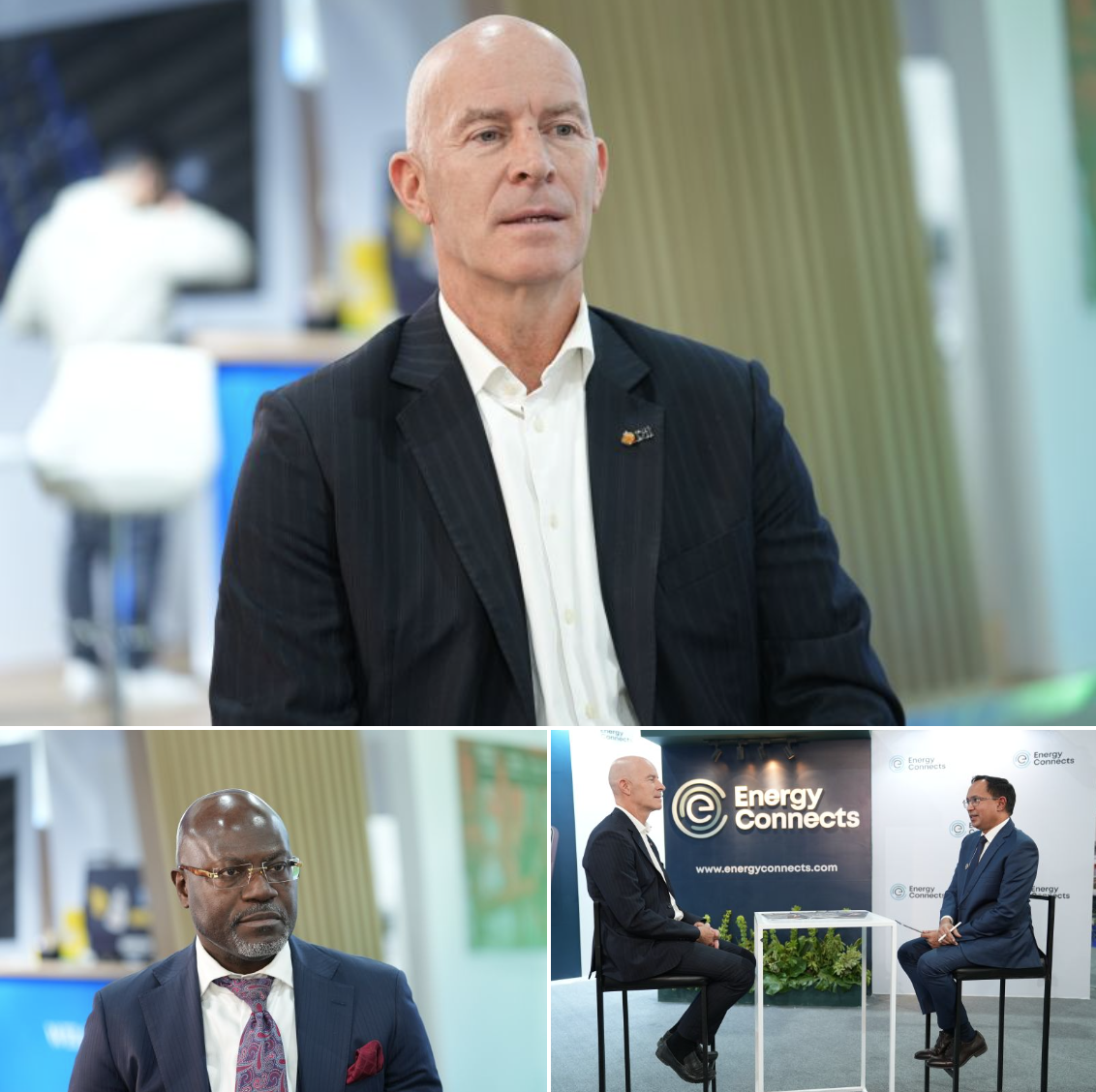
Speaking to Energy Connects, Frank Wouters reflected on the impact of current events on the MENA region in energy terms and outlined what a sensible response should look like in the context of the energy transition. His message was clear: first, stop wasting energy; second, maximise domestic renewable energy production; and third, accelerate the shift to clean fuels. In his view, the much broader optionality offered by cleaner fuels can strengthen energy resilience and reduce exposure to price shocks. The conclusion was unambiguous: the time to act is now.
This perspective highlighted how clean energy can help reduce dependence on vulnerable supply routes, strengthen domestic energy systems, and create new opportunities for regional cooperation. It also underscored Egypt’s growing role as a hub for green energy collaboration and innovation.
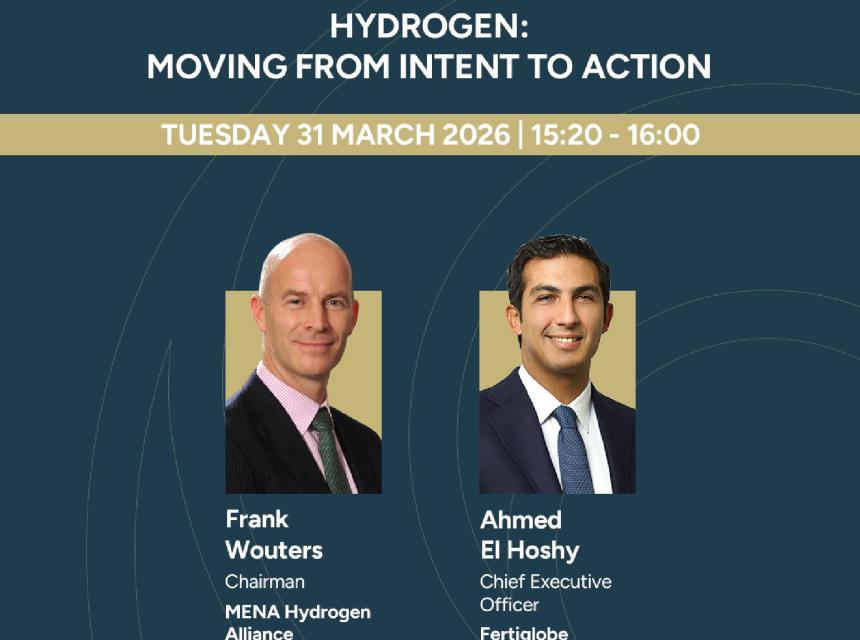
These themes carried directly into the EGYPES 2026 Strategic Conference, where Frank Wouters joined Ahmed El-Hoshy, Chief Executive Officer of Fertiglobe, and Terje Pilskog, Chief Executive Officer of Scatec ASA, for the session “Hydrogen: Moving from Intent to Action”, moderated by John Defterios, former Emerging Markets Editor for CNN and Board Member of Sustainable Energy for All (SEforALL).
The session focused on one of the most pressing questions facing the hydrogen economy today: how to move from strategy papers and announcements to real projects on the ground. Discussions explored the conditions needed to bring hydrogen projects to final investment decision (FID), secure off-take, build enabling infrastructure, and foster the partnerships required to scale hydrogen solutions globally.
Egypt featured prominently in this debate. With the adoption of its 2024 National Low-Carbon Hydrogen Strategy, the country has set out a roadmap to position itself as a major hydrogen exporter. This ambition gained further momentum in 2025 with the signing of a €30 million grant agreement, creating a significant opportunity for Egypt to contribute to European demand under the REPowerEU Plan. In this context, Egypt is increasingly seen as a strategic bridge between regional production potential and European market demand.
For the MED-GEM Network, this moment is especially significant. The Mediterranean is entering a phase where hydrogen progress will depend not only on political ambition, but on the practical enablers that turn intent into delivery: regulatory clarity, skilled workforces, infrastructure readiness, and stronger local value chains. This is precisely where regional cooperation matters most.
EGYPES 2026 made one thing clear: the hydrogen conversation is maturing. The focus is no longer on vision alone, but on execution. From energy security to industrial competitiveness, from domestic resilience to export opportunity, the next chapter will be shaped by those able to move decisively from plans to projects.